Introduction to Robot24 Innovations in 2026
The year 2026 has already proven to be a landmark time for robotics and AI, with groundbreaking innovations and applications emerging that are set to reshape multiple industries. From culinary robots preparing intricate dishes to educational aids revolutionizing classrooms, the advancements showcased at events like WAIC 2026 highlight the rapid evolution of technology in our daily lives. Robot24 remains at the forefront of these developments, providing thorough insights into how robotics is transforming various sectors. This article will delve into the latest innovations, applications, and trends that are defining the robotics landscape in 2026.
Understanding the Robot24 AI Platform
The Robot24 AI platform stands as a pioneering force in the realm of robotics, integrating advanced machine learning algorithms with real-time operational capabilities. This platform is designed to facilitate seamless communication between human operators and robotic systems, making it easier for businesses to adopt automation technology. By leveraging artificial intelligence, the platform enhances robotic decision-making and operational efficiency, thus reducing human error and operational costs.
Utilizing sophisticated neural networks, Robot24’s AI platform allows robots to learn from their environments and adapt to new tasks without extensive reprogramming. This flexibility positions the platform as a valuable tool for industries ranging from manufacturing to healthcare, where precision and adaptability are paramount.
The Impact of Robotics on the Culinary Industry
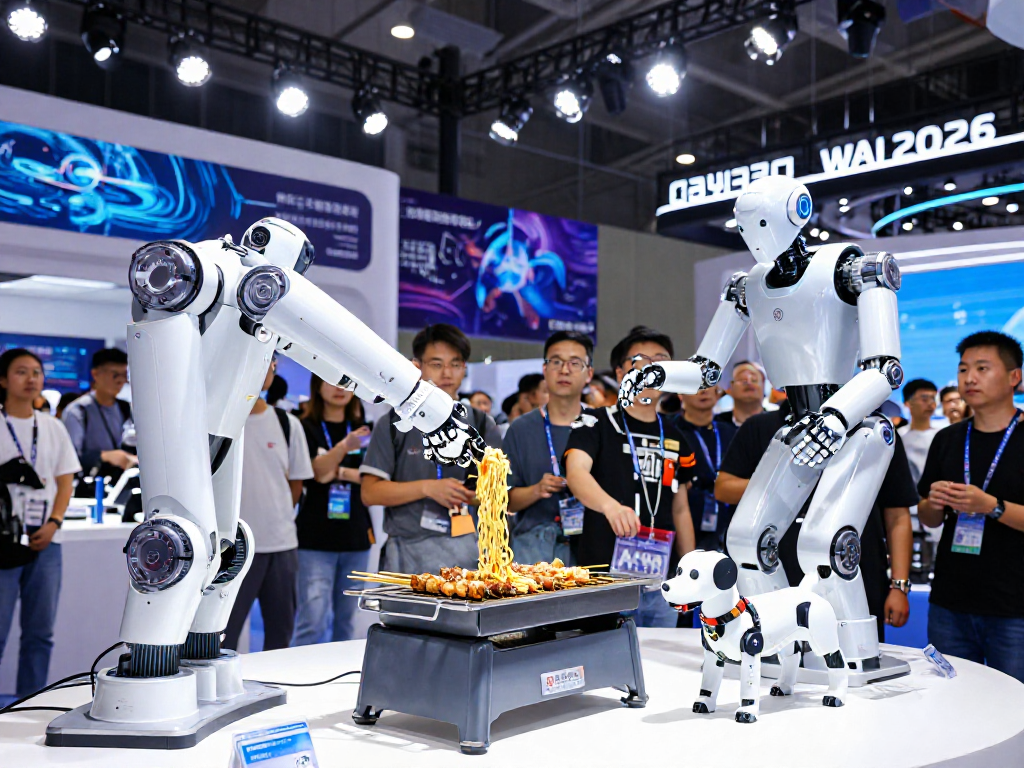
One of the most exciting innovations in robotics is its application in the culinary field. As highlighted by BrainCo’s unveiling of a humanoid robot capable of preparing kebabs and hand-pulled noodles at WAIC 2026, robots are increasingly taking on roles traditionally held by chefs. These robots can mimic human culinary techniques, ensuring consistent quality and efficiency in food preparation.
The integration of robotics in kitchens promotes not only speed and consistency but also safety. With robots handling potentially dangerous cooking tasks, such as frying or grilling, the risk of human injury is significantly reduced. As the demand for high-quality food production continues to grow, robotic solutions are likely to play an integral part in addressing industry challenges.
Exploring Key Robotics Developments
BrainCo's Brain-to-Robot AI Platform
BrainCo has made waves with its Brain-to-Robot AI platform, designed to bridge the gap between human creative intention and robotic execution. This technology enables users to control robots using brainwaves, effectively allowing operators to guide robots in real-time without the need for traditional programming interfaces. With applications ranging from industrial automation to creative arts, the potential uses of this platform are vast.
The implications of such technology extend far beyond entertainment and arts; sectors like manufacturing can benefit from enhanced precision and customization, while healthcare can leverage these capabilities for intricate surgeries and patient care.
AGIBOT’s Revolutionary Robot Models
At WAIC 2026, AGIBOT showcased its latest line of robots, including the A3 Ultra, G2 Max, and OmniHand 3 Ultra-M. These robots are engineered for a variety of applications, demonstrating versatility in real-world operations. The A3 Ultra, for example, is designed for warehouse logistics, featuring advanced navigation and obstacle avoidance systems that enhance operational efficiency.
Furthermore, the OmniHand 3 Ultra-M focuses on dexterity and precision, making it ideal for intricate assembly tasks in manufacturing environments. These innovations illustrate AGIBOT's commitment to pushing the boundaries of what service robots can achieve, making them indispensable tools across different industries.
Muks Robotics and the Spaceo Prime Prototype
Muks Robotics has introduced the Spaceo Prime, a prototype humanoid robot set to explore the frontiers of space travel. This robot is designed with advanced mobility systems and can perform tasks in a microgravity environment, showcasing its potential for future missions to Mars and beyond. The prototype’s ability to execute complex tasks autonomously highlights the importance of robotics in space exploration, where human presence may be limited.
As space agencies worldwide plan for missions beyond Earth, the integration of robots like Spaceo Prime could drastically change how we approach exploration, logistics, and even habitation on other planets.
Real-World Applications of Humanoid Robots
Humanoid Robots in Food Preparation
Humanoid robots are becoming increasingly prominent in food preparation settings, as demonstrated by the live cooking demonstrations at WAIC 2026. These robots can execute recipes with precision, replicating the techniques of professional chefs while minimizing the chances of error. This trend not only improves efficiency but also addresses labor shortages in the hospitality industry.
Furthermore, the adaptation of humanoid robots in food service is expected to enhance customer experiences. Robots can interact with customers, take orders, and even provide personalized meal suggestions based on dietary preferences.
Robots as Classroom Teaching Assistants
Education is another field witnessing significant transformation through robotics, as seen in Salamanca High School, which has introduced a humanoid robot as a classroom teaching assistant. This initiative aims to engage students in a dynamic learning environment, where robots can assist with lessons, provide additional resources, and support educators in managing classroom activities.
The presence of robots in educational settings not only helps personalize learning experiences but also prepares students for future interactions with technology in their careers. By integrating robotics into classrooms, schools are fostering skills like collaboration, problem-solving, and technological fluency.
Advancements in Robotics for Manufacturing
The manufacturing sector is experiencing profound changes, thanks to advancements in robotics. Companies are increasingly adopting collaborative robots, or cobots, designed to work alongside human workers rather than replace them. These robots can perform repetitive tasks, allowing human workers to focus on more complex and creative aspects of production.
Additionally, AI-driven analytics and predictive maintenance technologies are enhancing operational efficiency by reducing downtime and optimizing processes. As businesses strive for greater agility and resilience, the integration of such robotic technologies will be vital.
Overcoming Challenges in Robotics Integration
Addressing Consumer Concerns with AI
While the benefits of robotics are substantial, there are legitimate concerns regarding AI ethics and consumer safety. As robots become more prevalent, it is essential to ensure that they are developed with transparency and accountability in mind. Consumers must trust that the data collected by these systems is handled with care and protection.
Furthermore, companies must prioritize user education, ensuring that consumers understand how to interact with and benefit from robotic technologies. Clear communication and ongoing support will help mitigate concerns that may arise during the adoption of these systems.
Safety Measures in Robot Deployment
The safe deployment of robots in public spaces and workplaces is imperative for both human safety and robot functionality. Manufacturers are increasingly investing in safety features such as emergency stop mechanisms, collision detection, and user fail-safes to prevent accidents.
Continual training and certification of personnel operating these machines are also vital components in ensuring a secure environment. By adopting rigorous safety protocols, businesses can significantly reduce the risk of accidents and improve the overall efficacy of robotic systems.
Common Misconceptions about Humanoid Robots
Despite the growing presence of humanoid robots, several misconceptions remain prevalent. One common myth is that robots will inevitably replace human workers. However, the reality is that robots are designed to augment human capabilities and enhance productivity, not replace it.
Furthermore, fears that robots can develop autonomous decision-making capabilities beyond human control are largely unfounded. Current robotic technologies operate within strictly defined parameters, ensuring that human oversight remains a critical factor in their functionality. Addressing these misconceptions is crucial for fostering acceptance and trust in robotic innovations.
The Future of Robotics: Trends and Predictions for 2027
Scaling Production of Humanoid Robots
As the demand for humanoid robots continues to rise, manufacturers are gearing up to scale production to meet this need. Companies like XPENG are planning ambitious production targets, aiming to produce 1,000 Iron humanoid robots per month by 2027. This scaling effort will not only increase availability but also drive down costs, making robots more accessible to various sectors.
Increased production will also spur innovation, as manufacturers strive to improve robot capabilities and reduce costs through economies of scale. This can lead to more sophisticated robots that can handle complex tasks in diverse environments.
Innovations in AI-Powered Robotics
The future of robotics will be heavily influenced by advancements in artificial intelligence. Continuous improvements in machine learning algorithms will enable robots to perform tasks with higher levels of autonomy and adaptability. Future robots will be able to learn from their experiences and adjust their actions accordingly, significantly enhancing their effectiveness.
Furthermore, innovations in natural language processing will lead to more intuitive interactions between humans and robots, allowing for more seamless integration into everyday life.
Preparing for a Robotics-Driven Workforce
As robots become more integrated into the workforce, it is essential for educational institutions and training programs to adapt. Preparing the next generation of workers for a robotics-driven economy will require a focus on interdisciplinary skills, including technological proficiency, collaboration, and critical thinking.
Organizations will need to invest in training programs and upskilling existing employees to ensure that they can work alongside robots effectively. This proactive approach will help mitigate job displacement fears and position the workforce for success in the future.
What to Expect from Robot24 and the Robotics Industry?
Looking ahead, Robot24 will continue to be a vital source of information and insights as the robotics industry evolves. With ongoing coverage of the latest trends, technologies, and applications, Robot24 will keep readers informed about how robotics is shaping our world. As the landscape evolves, the importance of staying updated on these changes will be paramount for professionals across all sectors.
In conclusion, the advancements in robotics and AI in 2026 mark a pivotal moment for industries worldwide. From culinary innovations to educational applications and beyond, the integration of robots into everyday life is set to change the way we work, learn, and interact with technology. As we move toward 2027, the focus will need to be on sustainable growth, ethical considerations, and adapting to a rapidly changing technological landscape.