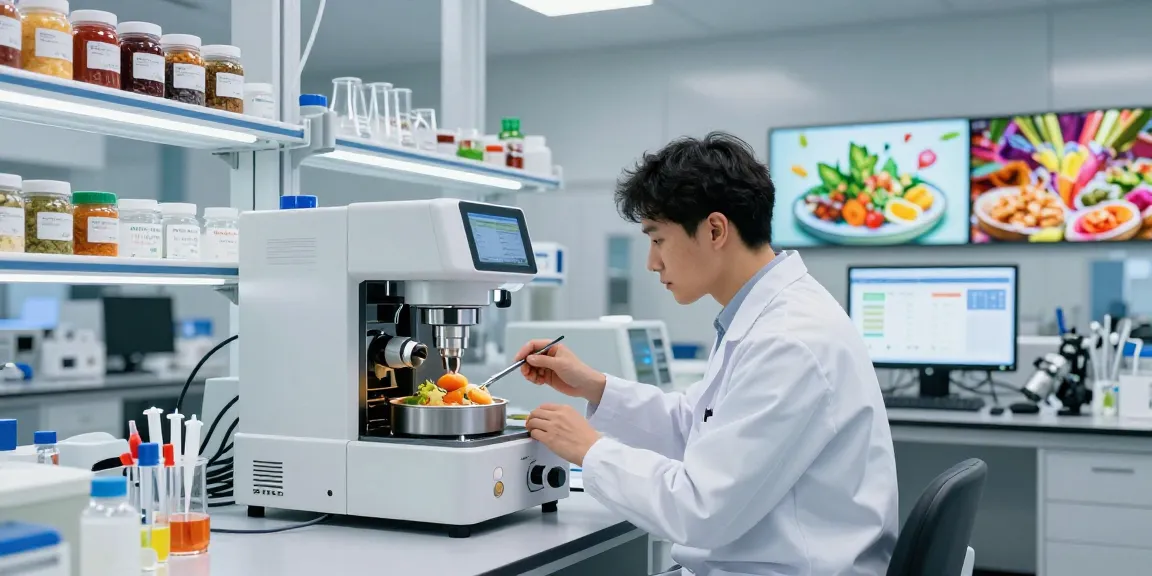
Understanding the Gourmeticat Technology Section
The gourmeticat technology section serves as a vital resource for industry enthusiasts and professionals alike, eager to delve into the fascinating intersection of culinary arts and modern technology. This dynamic sector not only reshapes how we approach food preparation and safety but also influences consumer preferences and restaurant operations globally. In this article, we will explore what Gourmeticat technology entails, its historical context, its importance in today’s culinary landscape, and the future trends that are set to revolutionize the industry.
What is Gourmeticat Technology?
Gourmeticat technology refers to the advanced technological innovations that are transforming the food industry. This encompasses a wide array of applications such as artificial intelligence (AI), automation, and data analytics that improve efficiency and quality throughout the food supply chain. From farm to table, technology plays a crucial role in enhancing food production, processing, and distribution methods.
Historical Context of Food Technology
The evolution of food technology can be traced back to the advent of agriculture thousands of years ago, which marked the beginning of food production as a practice. Over time, innovations such as refrigeration, pasteurization, and food preservation techniques have dramatically changed how food is processed and consumed. In recent decades, digital advancements have further catalyzed change, setting the stage for contemporary innovations that cater to a growing population and changing dietary needs.
Importance and Application in Modern Cuisine
Today, Gourmeticat technology is essential for food safety, quality assurance, and sustainability. Techniques such as genetic modification and precision farming allow for increased crop yields while reducing resource consumption. Additionally, the restaurant sector increasingly relies on technology to streamline operations, enhance customer experiences, and cater to the demand for personalization.
Key Innovations in Food Technology
Emerging Technologies Shaping the Industry
The food industry is witnessing a surge in emerging technologies that facilitate improved production processes and distribution networks. Some of the most notable innovations include:
- Blockchain Technology: Enhances transparency and traceability in food supply chains.
- 3D Printing: Allows for the customization of food items at a molecular level and creates novel culinary experiences.
- Internet of Things (IoT): Connects devices and systems in kitchens for real-time monitoring and management.
- Robotics and Automation: Streamlines food preparation and service, increasing efficiency and reducing labor costs.
Impact of Artificial Intelligence in Food Production
AI is revolutionizing food production by optimizing logistics, enhancing inventory management, and predicting consumer trends. Machine learning algorithms analyze vast amounts of data to forecast demand, reducing waste and ensuring that products meet consumer expectations. For instance, AI-driven predictive analytics can help restaurants manage their stock more efficiently, leading to improved customer satisfaction and reduced overheads.
Advancements in Food Safety and Quality Control
Technological advancements also play a pivotal role in ensuring food safety and quality. Innovations such as rapid testing methods for pathogens and contamination, as well as sensors that monitor temperature and humidity, are becoming standard in the food production industry. These technologies help minimize the risk of foodborne illnesses and enhance the quality of products reaching consumers.
Challenges in Implementing Food Technology
Common Misconceptions About Food Tech
Despite its benefits, food technology is often met with skepticism. One common misconception is that technological advancements compromise the quality and authenticity of food. In reality, when applied correctly, technology can enhance food safety and quality without sacrificing traditional cooking methods or flavors.
Regulatory Hurdles in Food Innovation
The food industry is heavily regulated, and navigating these regulations can be challenging for innovative companies. Compliance with food safety standards, labeling requirements, and environmental regulations demands significant resources and expertise. Startups often struggle with these hurdles, which can hinder the introduction of groundbreaking technologies.
Sustainability Concerns and Solutions
As technological advancements push the boundaries of food production, sustainability remains a paramount concern. The challenge lies in balancing innovation with environmental stewardship. Solutions such as vertical farming, aquaponics, and the use of alternative proteins from sustainable sources are gaining traction. These methods not only reduce the environmental footprint of food production but also address food security in urban settings.
Real-World Applications of Gourmeticat Technology
Case Studies of Innovative Food Tech Companies
Several companies are at the forefront of integrating technology into food production and service. For example, Impossible Foods uses advanced food science to create plant-based meat alternatives that mimic the taste and texture of meat while reducing the environmental impact associated with livestock farming. This innovation addresses both consumer demand for sustainable options and the need for more ethical food production methods.
Success Stories: How Technology Transformed Restaurants
Restaurants such as Domino's have embraced technology to streamline operations and enhance customer experiences. With an effective use of AI and mobile ordering platforms, they not only speed up service but also personalize customer interactions, leading to increased loyalty and sales. These success stories highlight how embracing technology can provide a competitive edge in a crowded market.
Future of Food Service with Advanced Tech
The future of food service is likely to be marked by further integration of technology. Concepts such as ghost kitchens and automated delivery systems are set to redefine how consumers access food. Moreover, advancements in AR and VR may soon transform dining experiences, enabling customers to engage with their food in innovative ways.
The Future of Gourmeticat Technology Section: Trends for 2026
Predictions for Food Technology Innovations
As we look toward 2026, several trends are anticipated in food technology. These include:
- Increased use of AI and machine learning in personalizing consumer experiences.
- Advancements in lab-grown meats and alternative proteins as mainstream options.
- The rise of augmented reality experiences in restaurants, enhancing the dining atmosphere.
- Greater emphasis on food waste reduction technologies and sustainable practices.
Expert Insights on Future Applications
Experts predict that food technology will focus more on enhancing consumer health and sustainability. With data-driven insights informing product development, food manufacturers will be better equipped to meet evolving consumer demands for health-conscious and environmentally friendly options.
Preparing for the Next Wave of Food Technologies
For professionals and businesses in the food industry, preparing for the next wave of technology means investing in education and training. An understanding of emerging technologies and their applications will be crucial for staying competitive. Collaborations with tech firms and ongoing research into consumer trends will also play a significant role in navigating this rapidly evolving landscape.
What is the current state of food technology?
The current state of food technology is characterized by rapid innovation and an increasing emphasis on sustainability. Companies are leveraging new tools and techniques to enhance food safety, improve efficiency, and reduce waste, all while catering to an increasingly health-conscious consumer base.
How does technology impact food safety?
Technology significantly enhances food safety through improved tracking systems, real-time monitoring solutions, and rapid testing technologies that ensure food products are safe for consumption. These innovations help prevent contamination episodes and reassure consumers about the quality of their food.
What are future trends in food production technology?
Looking ahead, future trends are expected to revolve around sustainable practices, increased automation, and personalized consumer offerings. Technologies that promote transparency in the supply chain and enhance nutritional value will also become more prominent, shaping the future of food production.