Understanding CIKA4D in Indoor Agriculture
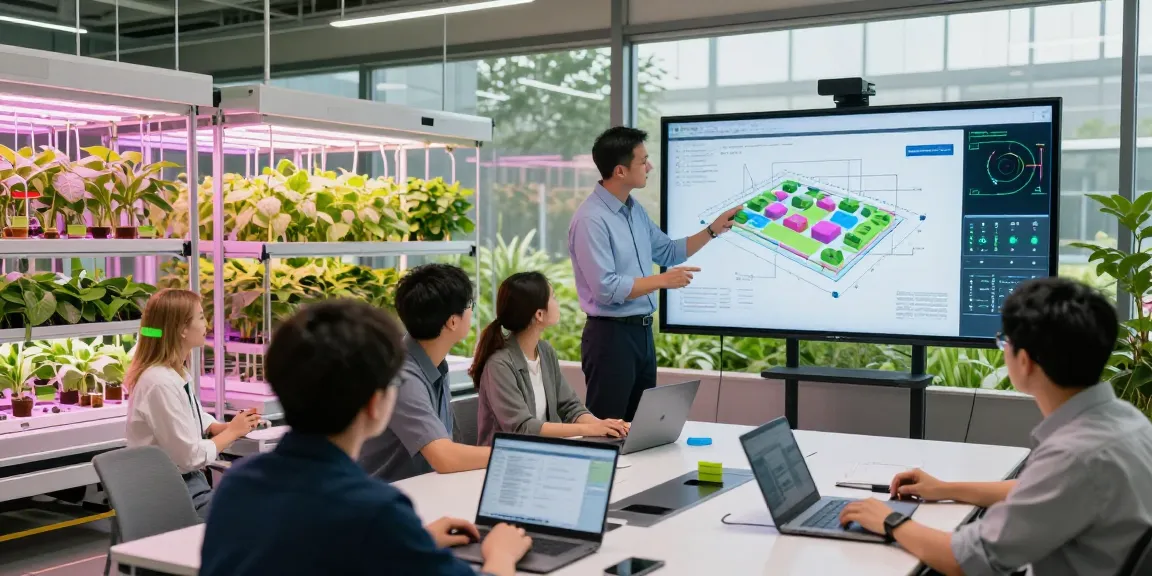
As the world faces increasing challenges related to food security and sustainability, innovative solutions in agricultural practices are more essential than ever. CIKA4D has emerged as a critical player in the indoor agriculture sector, providing modern design and construction solutions tailored to the unique needs of grow rooms, vertical farming, and controlled horticultural environments. With an emphasis on technology and efficient design, CIKA4D enables operators to create optimal growing conditions for a variety of crops, thus enhancing productivity and sustainability. To explore comprehensive insights on CIKA4D, visit cika4d.
What is CIKA4D?
CIKA4D stands for “Creative Indoor Knowledge Application for Agriculture Design”. It represents a fusion of advanced technology and innovative design intended to address the specific challenges of indoor farming. The CIKA4D model encompasses various aspects of indoor agriculture from planning and design through to implementation and management, ensuring that all components work harmoniously to maximize output.
Key Benefits of CIKA4D Solutions
CIKA4D offers numerous advantages for indoor agricultural operators:
- Efficiency: Streamlined processes and optimized layouts lead to reduced resource consumption.
- Sustainability: Emphasis on eco-friendly practices minimizes environmental impact.
- Customization: Solutions are tailored to fit the specific needs of each project, whether small-scale home gardens or large commercial facilities.
- Advanced Technology: Integration of cutting-edge technologies enhances monitoring, control, and productivity.
Innovative Design Features for Indoor AG
CIKA4D incorporates numerous design features tailored for indoor agricultural environments:
- Climate Control: Precision technologies for ventilation, temperature, and humidity management.
- Lighting Systems: Specially designed LED lighting that caters to the specific growth phases of various plants.
- Modular Layouts: Flexible space configurations to adapt to changing agricultural practices or crop varieties.
Challenges in Implementing CIKA4D
While CIKA4D presents multiple advantages, the implementation of its solutions can face challenges in various areas. Understanding these obstacles is essential for seamless integration into any agricultural enterprise.
Common Obstacles in Indoor Farming
Operators often encounter difficulties including high initial setup costs, the complexity of technology integration, and the need for specialized training. Furthermore, climate-related issues such as pest control and disease management require constant monitoring and adjustment.
Technological Integration Issues
Indoor agriculture relies heavily on technology for optimal performance. However, integrating advanced systems can be daunting due to interoperability issues among different technological components. Ensuring that all systems – from climate control to nutrient delivery – work cohesively is vital for achieving the desired outcomes.
Regulatory Considerations for CIKA4D Facilities
Operators must navigate a complex web of regulations pertaining to agricultural practices, food safety, and environmental impact. These regulations can hinder operational flexibility and require careful planning to ensure compliance.
Best Practices for CIKA4D Facilities
Adhering to best practices is crucial for maximizing the potential of CIKA4D solutions in indoor agriculture. From design to daily operations, the following strategies can enhance efficiency and productivity.
Optimal Design and Layout Strategies
Employing efficient designs that account for workflow, accessibility, and environmental controls can significantly improve productivity. Utilizing modular layouts allows for flexibility and scalability.
Energy Efficiency Solutions
Implementing energy-efficient systems such as LED lighting and smart climate control technologies reduce operational costs and environmental impact. Additionally, integrating renewable energy sources can further enhance sustainability.
Maintaining Plant Health and Productivity
Regular monitoring of plant health, nutrient needs, and environmental conditions is essential in maintaining productivity. Leveraging data analytics tools can assist in fine-tuning conditions for optimal growth.
Case Studies: Successful CIKA4D Implementations
Real-world examples illustrate the effectiveness of CIKA4D solutions across various scales and types of agricultural projects.
Small Scale Gardening Success Stories
Several small-scale urban gardeners have utilized CIKA4D design principles to maximize limited space. By employing vertical farming techniques and efficient hydroponic systems, these gardeners have significantly increased their crop yields.
Large Scale Agricultural Projects
Large commercial growers have also benefited from CIKA4D. One notable case involved the establishment of a 10,000 sq ft vertical farm that now produces over 300 varieties of greens year-round. The efficient design and climate control technologies implemented have reduced water usage by over 50%.
Innovative Techniques Used in the Field
Innovators within the CIKA4D community are constantly pushing boundaries. Techniques such as aquaponics and aeroponics are being integrated into indoor farming systems to enhance productivity while reducing resource consumption.
The Future of CIKA4D and Indoor Agriculture
Looking forward, the role of CIKA4D in indoor agriculture is poised for growth, driven by emerging technologies and a growing need for sustainable farming practices.
Emerging Technologies to Watch in 2026
The agricultural landscape is rapidly evolving. Technologies such as AI in crop management, automated monitoring systems, and advanced robotics for planting and harvesting will redefine how CIKA4D facilities operate.
Predictions for Sustainable Indoor Farming
As awareness of environmental issues increases, sustainable farming practices will become non-negotiable. CIKA4D will be at the forefront of this movement, providing solutions that prioritize ecological balance and resource efficiency.
CIKA4D’s Role in Global Food Security
With a rising global population, the pressure on agricultural systems is unprecedented. CIKA4D stands to play a critical role in addressing global food shortages by enabling high-yield, resource-efficient farming practices, crucial for sustainable food production.
What Makes CIKA4D Stand Out?
CIKA4D’s unique integration of technology, design, and sustainable practices sets it apart from traditional agricultural methods. This holistic approach enables facilities to operate efficiently while maintaining high productivity levels.
How Can CIKA4D Drive Industry Change?
By championing innovative solutions and sustainable practices, CIKA4D can lead a transformative shift within the agriculture industry. This change not only aims to improve profitability for growers but also addresses critical issues of environmental sustainability and food security.